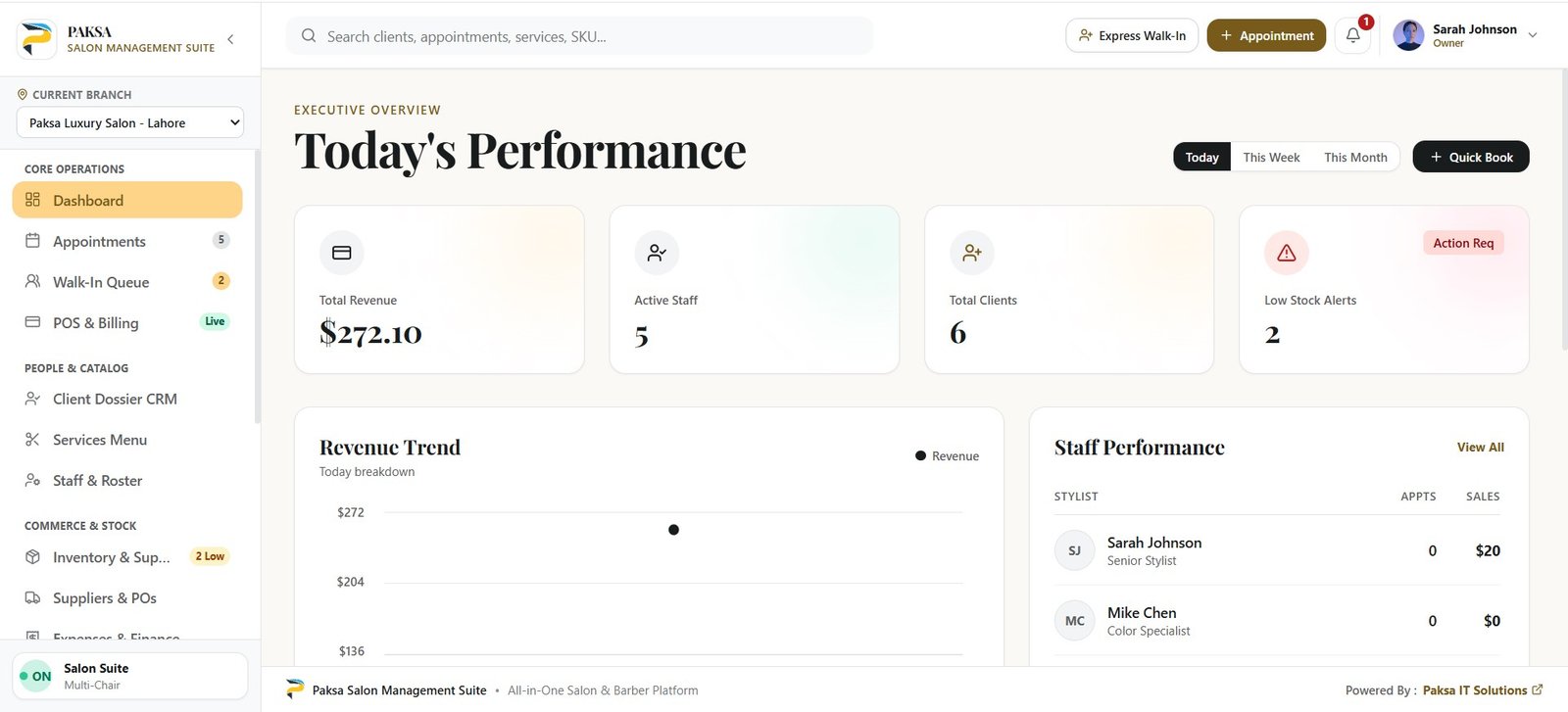
Introduction to Salon Management Software
Salon management software has emerged as an essential tool for salon owners and managers looking to optimize and streamline their operations. With the beauty industry becoming increasingly competitive, the need for effective management solutions is greater than ever. This software serves as a centralized platform that integrates various aspects of salon management, from appointment scheduling to inventory control, thus enabling salon owners to focus on delivering exceptional customer service.
The importance of using salon management software cannot be understated. Firstly, it allows salon staff to manage bookings and schedules easily, ensuring that time is utilized efficiently. Clients can book their appointments through an intuitive interface, reducing the chances of double-booking and cancellations. Furthermore, many beauty salon software solutions come equipped with features that notify both clients and staff of upcoming appointments, thus improving overall communication.
Moreover, salon management software often includes tools for managing customer relationships. By maintaining an organized database of client information, such as appointment history and preferences, salon owners can personalize services further. This personalization not only enhances customer satisfaction but also fosters loyalty, resulting in repeat business. For men’s and women’s salons in the USA, this aspect is particularly vital, as competition in urban areas can be fierce.
In addition to appointment management and customer relations, salon management software provides valuable insights through analytics and reporting. Salon owners can track sales performance, employee productivity, and other key metrics, helping them make informed decisions that contribute to business growth. This is especially beneficial for men salon software in Pakistan, where understanding market trends and customer preferences can drive competitive advantage.
In conclusion, salon management software is a versatile solution that plays a critical role in enhancing operational efficiency in salon environments. From streamlining bookings to enriching customer interactions, this software stands as an indispensable asset for any salon looking to thrive in today’s fast-paced beauty industry.
Key Features of Salon Management Software
Salon management software is an essential tool for modern beauty establishments, providing a seamless way to streamline operations and enhance customer satisfaction. One of the key features of effective salon management software is appointment scheduling. This feature allows beauty salon owners to manage bookings effortlessly, offering clients the ability to schedule, cancel, or reschedule appointments through an intuitive online interface. This not only improves operational efficiency but also increases client retention by providing convenience.
Another critical aspect is staff management, which is crucial for both men and women salon software solutions. Effective salon management software facilitates tracking employee schedules, performance, and attendance, enabling salon owners to optimize staff allocation and enhance overall productivity. Additionally, it can include features such as automated reminders for staff about their shifts, helping to minimize no-shows and ensure a fully staffed salon.
Billing and invoicing capabilities are also pivotal in any salon management software. Quick and accurate payment processing enhances the client experience and streamlines financial operations. It allows salons to create invoices swiftly, track payments, and generate financial reports, all of which provide insightful data to assist in strategic decision-making. Furthermore, integrating a robust payment system can provide clients with multiple payment options, appealing to a broader audience.
Customer relationship management (CRM) is yet another essential feature of salon management software. By managing client data efficiently, salons can tailor services and promotions to individual preferences, improving customer satisfaction and loyalty. A CRM system allows salons to keep track of client histories, preferences, and feedback, enabling personalized marketing efforts and enhancing the overall customer experience.
In summary, when selecting salon management software, it is essential to consider features such as appointment scheduling, staff management, billing, and customer relationship management to ensure operational efficiency and improved client satisfaction.
Benefits of Using Salon Management Software
Implementing salon management software can significantly enhance the operational efficiency of any beauty establishment. By automating numerous tasks, these systems streamline daily activities, allowing salon owners and staff to focus more on providing excellent service. This increased efficiency not only improves the overall workflow but also reduces the chances of human errors that can occur in appointment scheduling and inventory management.
One of the key advantages of utilizing salon management software is the improvement in customer service. Customers appreciate convenience, and with features such as online booking and appointment reminders, salons can offer a more seamless experience. This capability not only makes it easier for clients to book their appointments but also helps reduce no-show rates, which are often a substantial loss for salons. With enhanced customer interaction options, such as personalized reminders and follow-ups, the system helps foster stronger relationships between clients and the salon.
Additionally, the use of beauty salon software can lead to increased revenue streams. By analyzing sales data and customer preferences, salon management systems can assist owners in tailoring their services and promotions effectively. Men salon software, especially in regions like Pakistan, can include features that cater specifically to the unique needs of their clientele, while men and women salon software in the USA can help in understanding diverse demographic trends and client behaviors.
Moreover, the insightful reports generated by salon management systems empower owners to make informed decisions. Insights from data analytics can guide the expansion of service offerings or the introduction of loyalty programs that encourage repeat business. Overall, salon management software not only enhances operational efficiency but also plays a crucial role in boosting customer satisfaction and driving revenue growth for salons.
Choosing the Right Salon Management Software
When selecting salon management software, salon owners ought to consider several essential criteria that can significantly impact their business operations. One of the foremost aspects is usability. A user-friendly interface is crucial, as it ensures that both salon staff and clients can easily navigate the system. Beauty salon software should offer an intuitive design that minimizes the learning curve and allows staff to manage their daily tasks efficiently.
Another important factor to consider is the software’s ability to integrate with other tools and systems used within the salon. Effective salon management software should allow seamless integration with point-of-sale systems, customer relationship management tools, and inventory management applications. This connectivity will not only streamline operations but will also enhance the overall customer experience.
In addition to usability and integrations, customer support is a critical criterion that salon owners must evaluate. Reliable support can minimize disruption during software implementation and maintenance. A good salon management software provider should offer robust customer service, including training resources, live support options, and easily accessible documentation to assist users throughout their journey.
Moreover, it is prudent for salon owners to examine user reviews and feedback pertaining to the software’s performance, as this can provide valuable insights into the experience of other salons, particularly those operating in either men salon software in Pakistan or men and women salon software in the USA. By gathering information on software reliability and customer satisfaction rates, business owners can make informed choices.
Finally, pricing structures should be transparent and align with the business model of the salon. Many salon management solutions offer tiered pricing, enabling salon owners to choose a plan that best fits their financial capacity and expected return on investment.
Case Studies: Successful Implementations
In recent years, several salons around the globe have successfully integrated salon management software into their operations, resulting in improved efficiency and customer satisfaction. One notable example comes from a high-end beauty salon in Pakistan that specializes in men and women’s grooming services. Initially struggling with appointment scheduling and client management, the salon decided to adopt a comprehensive beauty salon software. The transition was met with some resistance from staff who were accustomed to manual record keeping. However, with adequate training and support from the software provider, the staff quickly adapted. Once fully implemented, the software streamlined appointment bookings, significantly reduced no-show rates, and improved customer feedback through automated follow-ups.
Another case worth mentioning involves a popular men salon software in Pakistan that faced inventory management challenges. The salon’s owner realized that they could not effectively track product usage and restocking needs. By implementing salon management software, they were able to monitor inventory levels in real-time, which minimized waste and ensured popular products were always available. As a result, the salon reported a 30% increase in retail sales within three months. This experience highlights how integrating software can transform operations and lead to substantial financial benefits.
In the USA, a large beauty chain that offers both men and women salon services adopted a unified salon management system. Their main challenge was managing multiple locations and ensuring consistent service quality across all branches. With the new system, they were able to centralize customer data, track employee performance, and analyze sales trends across all outlets. This data-driven approach allowed the management team to identify best practices and apply them universally, resulting in a marked improvement in overall service standards and client retention rates.
These case studies illustrate that while the implementation of salon management software may come with challenges, the benefits, including enhanced operational efficiency, improved customer experiences, and increased revenue, are profound. With proper planning and execution, salons can effectively harness this technology to stay competitive in the evolving beauty industry.
How to Train Staff on Salon Management Software
Training staff effectively on salon management software is essential for optimizing the efficiency and performance of a beauty business. This training enables employees to utilize the software fully, maximizing the potential benefits for both men and women salons. Here are some strategies that can be used to ensure that your team becomes proficient with the software.
1. Structured Training Programs
Begin with a structured training program that outlines the key features of the salon management software. Consider leveraging a mix of live demonstrations, instructional videos, and written manuals tailored to the specific software being used. This approach provides various learning styles with the resources they need to understand the software’s functionalities.
2. Hands-On Practice
Hands-on practice is crucial when integrating new technology into daily routines. Set aside dedicated time for staff to explore the software in a controlled environment. Encourage them to familiarize themselves with the interface and tools available, which can enhance their confidence and improve overall comfort levels when using the system.
3. Create Champions
Designate certain team members as “software champions” who can take on a leadership role in helping others. These champions can be employees who grasp the software quickly and can assist their colleagues in troubleshooting and answering common questions. This peer-to-peer support can foster a collaborative learning atmosphere.
4. Continuous Support and Feedback
Provide ongoing support beyond the initial training phase. Establish a feedback loop where staff can voice their concerns or difficulties they encounter while using the software. Regular check-ins can help identify areas that may require additional training or resources, ensuring that everyone stays up-to-date with the software’s features.
5. Incentivize Learning
Consider implementing a system that rewards staff for mastering the software. This could be in the form of recognition, bonuses, or opportunities for advancement within the salon. Encouraging a culture of learning can motivate team members to deepen their understanding and competency with the salon management software.
Overall, the successful implementation of salon management software hinges on how effectively staff are trained. By instituting structured training programs and providing continuous support, beauty salons can enhance the working experience for their team, paving the way to improved service and satisfied clients.
Future Trends in Salon Management Software
The salon management software industry is witnessing rapid evolution, driven by technological advancements and changing consumer expectations. One of the most significant trends is the increasing demand for mobile compatibility. Salons are recognizing the need to provide their clients with seamless access to services through mobile applications. This shift towards mobile beauty salon software allows clients to book appointments, manage their accounts, and receive notifications on-the-go, thereby enhancing customer convenience and satisfaction.
Another emerging trend is the integration of Artificial Intelligence (AI) into salon management systems. AI can facilitate personalized customer experiences by analyzing client data and preferences. For instance, AI-powered salon management software can suggest grooming products or styles based on past visits, further engaging clients and enhancing loyalty. This technology not only improves service quality but also streamlines operations for salon owners by automating tasks such as scheduling and inventory management.
Moreover, as consumers become increasingly tech-savvy, there is a growing expectation for personalized experiences at salons. Men and women salon software in the USA is now adapting to this trend by offering customizable services that cater to individual client needs. This can include personalized packages or bespoke treatments based on previous interactions, which helps to create a more tailored experience. Furthermore, salons utilizing men salon software in Pakistan are also adopting similar strategies to enhance client retention and satisfaction.
In addition to these advancements, the importance of integrating feedback mechanisms within salon management software cannot be understated. By leveraging customer feedback, salons can continuously improve their services and adapt to the preferences of their clientele. Overall, the future of salon management software looks promising, with innovations that prioritize convenience, personalization, and operational efficiency, ultimately setting a new standard in the beauty industry.
Common Challenges and How to Overcome Them
Transitioning to salon management software can streamline operations and enhance the client experience. However, salon owners may encounter several common hurdles during this transition. Recognizing these challenges is the first step toward successfully implementing beauty salon software.
One significant challenge is resistance to change among staff members. Employees may be accustomed to traditional methods and may feel overwhelmed by the new technology. To mitigate this, it is essential to involve staff early in the process, offering training sessions that demonstrate the benefits of the men salon software in Pakistan or men and women salon software in the USA being adopted. By fostering an environment of open communication and support, you can help ease their transition.
Another common obstacle is the initial cost associated with purchasing and implementing salon management software. Many owners may hesitate due to budgeting constraints. To address this, it is advisable to conduct a thorough cost-benefit analysis. This analysis should highlight how improved efficiency can lead to cost savings in the long run. Additionally, many software providers offer flexible pricing plans or free trials, allowing salons to evaluate the software without significant upfront investment.
Data security can also pose a challenge when adopting software solutions. Salon owners must ensure that client information is protected against cyber threats. Investing in reputable software that complies with industry security standards and providing regular training on security practices for staff will help address this issue. By taking proactive steps, salons can safeguard their data while benefiting from the efficiencies that software solutions provide.
In conclusion, while there are challenges associated with transitioning to salon management software, understanding these hurdles and preparing accordingly can significantly enhance the implementation process and overall operational efficiency.
Conclusion: The Future of Salon Management
As we have explored throughout this guide, salon management software represents more than just a tool for operational efficiency; it symbolizes a transformative shift within the beauty industry. The advent of modern salon management software has equipped beauty salons, both large and small, with the necessary resources to streamline their operations and enhance customer experience. This is particularly pertinent for men and women salon software in the USA, which has integrated features catering to diverse clientele.
The future of this technology in salons looks promising. With advancements in artificial intelligence and data analytics, beauty salon software is becoming increasingly capable of providing deeper insights into business performance. Salons can track appointment trends, manage inventory more effectively, and even analyze customer preferences to tailor services that meet their clients’ needs.
Moreover, the rise of men salon software in Pakistan and similar markets demonstrates the global shift toward inclusivity and personalized service. This not only extends the service offerings but also enriches the overall experience for clients, allowing salons to distinguish themselves in a competitive landscape.
Looking ahead, it is essential for salon owners to embrace these technological innovations to stay relevant and successful. Continuous improvement will hinge on the ability to leverage beauty salon software features that enhance operational workflows and improve customer engagement. As industry standards evolve, salons that adapt to new management solutions will likely lead the market, setting benchmarks for quality and service.
The integration of advanced technologies in salon management software represents a significant leap forward for the industry. By fostering an environment of continuous innovation, salons can not only enhance their operational capabilities but also create memorable experiences for their clients, ultimately driving growth and success in an ever-evolving market landscape.