
Introduction to Paksa ERP
In today’s fast-paced business landscape, organizations are continually seeking innovative solutions to streamline operations and enhance overall efficiency. The Paksa ERP system emerges as a cutting-edge enterprise resource planning tool uniquely designed to unify various business processes. This encompasses critical functions such as finance, procurement, inventory management, and more, ultimately aiding organizations in achieving their strategic goals.
The necessity for integrated ERP systems like Paksa ERP cannot be overstated. As enterprises expand, they often face the challenge of coordinating numerous processes that are often siloed within different departments. Paksa ERP addresses this issue by providing a cohesive platform that integrates various functions into a single system. This eliminates redundancy and offers real-time insights, enabling decision-makers to respond swiftly to market changes.
Moreover, modern organizations benefit from the scalability of Paksa ERP, which can easily adapt to changing business needs—whether it involves adding new users, incorporating additional modules, or adjusting workflows. The architecture is designed not only to support the current requirements but also to anticipate future growth, accommodating the evolving landscape of today’s business operations.
Additionally, by utilizing Paksa ERP, companies can enhance their collaboration across departments, allowing for more transparency and improved communication. Shared access to data allows teams to work in harmony, ensuring that all members are working towards the same objectives and fostering a culture of teamwork.
Overall, the Paksa ERP system represents a vital tool in the arsenal of modern enterprises seeking to optimize their operational efficiency and gain a competitive edge in the market. Its integrative capabilities make it a cornerstone for effective business management.
Unified Enterprise Platform
Paksa ERP serves as a pivotal unified platform that seamlessly integrates various functions crucial to modern enterprises. This comprehensive system connects essential departments such as finance, inventory, procurement, human resources, sales, and analytics into a singular interface. By effectively merging these operational facets, Paksa ERP ensures that all components of the organization work in harmony, thus fostering enhanced operational efficiency.
One of the primary advantages of utilizing a unified enterprise platform like Paksa ERP is the improvement in data visibility. Since all departments access a centralized database, stakeholders are equipped with real-time insights and analytics, which can drive informed decision-making. For example, when sales data is instantly available to both finance and inventory teams, businesses can respond swiftly to market demands and optimize their supply chain management accordingly. This shared information reduces the likelihood of errors and inconsistencies that may arise from working with disparate systems.
Moreover, connecting these critical functions enhances collaboration among teams. With integrated workflows, employees can easily communicate and share updates, resulting in reduced bottlenecks and a more agile business environment. The systemic alignment promises improved coordination on projects and facilitates strategic initiatives across departments.
Additionally, the automation capabilities inherent in Paksa ERP’s unified system reduce manual tasks, thereby freeing up valuable time for employees. This allows staff to concentrate on core business activities rather than administrative burdens. The scalability of this ERP solution enables it to adapt to the needs of both growing enterprises and established organizations, ensuring that it remains relevant regardless of the size or complexity of the business operations.
Modern Responsive Desktop Interface
The user interface of Paksa ERP is crafted with an emphasis on modern responsiveness, integrating a design that adapts seamlessly to a variety of screen sizes and resolutions. This design philosophy ensures that users have access to a coherent and interactive experience, irrespective of the device they are using. The enhanced functionality of the responsive desktop interface facilitates improved navigational ease, which is imperative for efficient operations within modern enterprises.
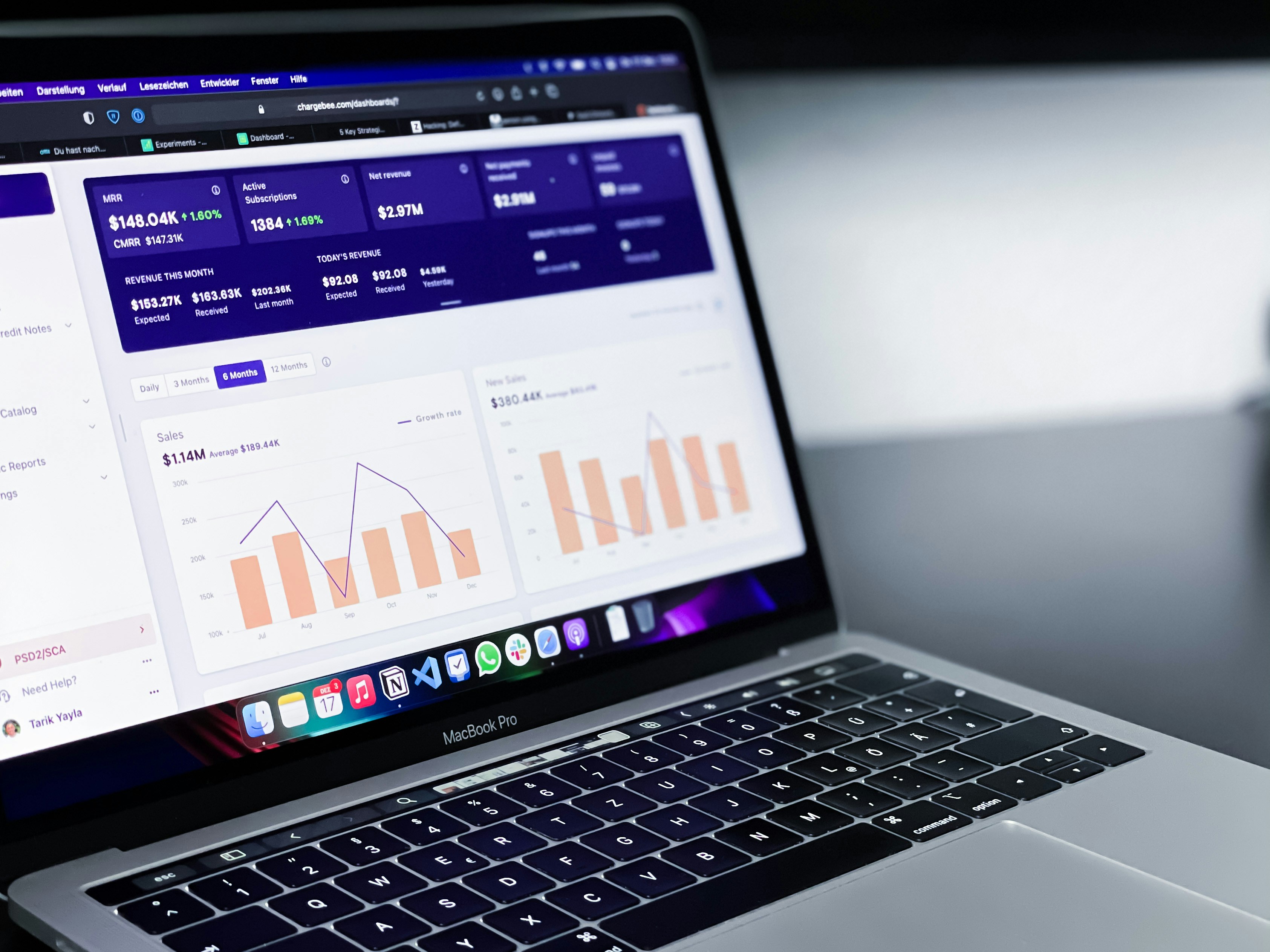
One of the standout features of Paksa ERP is its executive dashboards, which aggregate key performance indicators (KPIs) and critical business metrics for easy visibility and analysis. These dashboards are designed with clarity and accessibility at the forefront, allowing executives and managers to swiftly evaluate the operational performance of their respective departments. Through thoughtfully selected visualizations, users can explore data insights that drive informed decision-making, thereby enhancing strategic initiatives.
The operational workspaces within the Paksa ERP environment exemplify the software’s commitment to providing a user-centric experience. Each workspace is tailored to specific business needs, enabling users to concentrate on relevant tasks without the distraction of extraneous information. This bespoke approach not only improves productivity but also fosters a better understanding of workflow processes across the organization. Users can effortlessly switch between tasks, generate reports, and access vital functionalities, reducing time spent on routine endeavors and freeing up resources for value-added activities.
Ultimately, the modern responsive desktop interface of Paksa ERP significantly enhances the user experience. By prioritizing ease of use and accessibility, it empowers employees at all levels of the organization to work more efficiently, thereby driving overall business performance. The well-designed interface is not just a visual treat; it is a functional necessity that supports various elements critical to contemporary business operations.
Advanced Role-Based Security
In the digital landscape where data breaches and unauthorized access are escalating concerns, the advanced role-based security features of Paksa ERP play a critical role in safeguarding sensitive business information. This system allows enterprises to implement precise user permissions and access management protocols tailored to their specific organizational needs.
One of the standout aspects of Paksa ERP is its ability to define user roles thoroughly. Each user can be assigned varied permissions that dictate what data and functionalities they can access within the system. For instance, managerial staff may have comprehensive access to sensitive financial reports, whereas operational staff may only view relevant inventory data. This granular approach to access control not only enhances security but also streamlines operational efficiencies, as users are presented with tools and information best suited to their roles.
Moreover, the hierarchical structure of Paksa ERP facilitates the delegation of responsibilities while maintaining accountability. Administrators can easily audit user activity, ensuring that all actions are traceable and compliant with internal and external regulatory standards. This level of oversight mitigates risks associated with potential data misuse and reinforces the importance of adhering to best practices in data management.
Implementing advanced role-based security measures is not merely an operational decision but a strategic one that affects the overall integrity of a business’s data ecosystem. By prioritizing user permissions and control mechanisms, Paksa ERP helps organizations build a robust security framework that can adapt to evolving threats and maintain operational continuity. Ultimately, this focus on security fosters a trustworthy environment, empowering employees to engage with the enterprise resource planning system confidently and effectively.
Intelligent Workflow Automation
In the landscape of modern enterprises, efficient management of workflows is integral to maintaining competitiveness. The Paksa ERP system enhances operational efficiency through its intelligent workflow automation capabilities. By facilitating automatic approval routing and robust process control, this ERP solution significantly reduces the reliance on manual interventions, which often introduce delays and errors into business processes.
Approval routing stands out as a pivotal feature within Paksa ERP’s automation suite. This functionality ensures that requests for approvals flow seamlessly through designated pathways, allowing stakeholders to receive notifications and address requests promptly. By implementing a structured approval hierarchy and enabling real-time tracking of request statuses, businesses can enhance transparency and accountability. Consequently, decision-makers are empowered to act swiftly, thereby accelerating project timelines and improving overall productivity.
Process control further complements workflow automation by offering granular oversight of operational procedures. With this feature, organizations can set predefined rules and conditions that govern the execution of tasks. This not only minimizes the risk of human error but also guarantees that processes adhere to compliance standards. As a result, Paksa ERP helps organizations maintain operational integrity while navigating complex regulatory landscapes.
The integration of intelligent workflow automation also provides analytics and reporting capabilities that allow enterprises to monitor process efficiencies and identify bottlenecks. Such insights are crucial for continuous improvement efforts and for strategic decision-making. By leveraging these data-driven insights, organizations can adapt workflows to better align with evolving business objectives and market demands. In this regard, Paksa ERP’s intelligent automation is more than just a tool; it is a strategic asset that drives operational excellence.
AI-Powered Analytics and Forecasting
Paksa ERP leverages advanced artificial intelligence (AI) to enhance its analytics and forecasting capabilities, thereby equipping modern enterprises with the tools needed for strategic decision-making. These AI-driven features help organizations analyze historical data, identify trends, and develop strategies aimed at optimizing operations and driving growth.
One of the standout features of Paksa ERP is its predictive analytics functionality. By utilizing sophisticated algorithms, this system can forecast future business outcomes based on current and historical data inputs. For example, sales forecasts generated through Paksa’s AI tools allow businesses to anticipate demand fluctuations, adjust inventory levels, and plan production schedules accordingly. This responsiveness not only improves operational efficiency but also significantly reduces the risk of overstock or stockouts.
In addition to forecasting, Paksa ERP integrates robust business intelligence capabilities that enable organizations to visualize their data in meaningful ways. Users can generate dynamic reports and dashboards, facilitating real-time insights into key performance indicators (KPIs). This visual representation of data ensures that decision-makers can quickly grasp complex trends and make informed choices swiftly. Such high-level visibility into business performance is crucial for strategic planning, allowing managers to anticipate future challenges and opportunities.
Moreover, the AI capabilities within Paksa ERP are designed to continuously learn and adapt. As more data becomes available, the system improves its analytics and forecasting precision, ensuring ongoing relevance and accuracy. This continual refinement is particularly beneficial in today’s rapidly changing business landscape, where staying a step ahead of the competition is vital. In short, the AI-powered features of Paksa ERP offer invaluable insights that arm businesses with the knowledge necessary to execute effective strategies.
Real-Time Operational Monitoring
In today’s fast-paced business environment, real-time operational monitoring has emerged as a critical capability for modern enterprises. The Paksa ERP system offers sophisticated features such as live Key Performance Indicator (KPI) dashboards and comprehensive analytics that enable organizations to track their performance metrics as they happen. These tools provide a direct line of sight into various operational aspects, allowing businesses to identify trends and anomalies instantly.
The live KPI dashboards present a visual representation of critical performance indicators, allowing users to filter data based on specific criteria such as time ranges or departments. This functionality ensures that decision-makers receive customized views that are pertinent to their operational goals. Moreover, having access to real-time data fosters a proactive approach to management. Leaders can make informed decisions based on the latest information rather than relying on historical data, which may be obsolete by the time it is analyzed.
Furthermore, the analytics capabilities of Paksa ERP empower users to conduct deep dives into performance metrics, enabling the identification of both strengths and weaknesses within their teams and processes. This level of analysis can lead to actionable insights, helping businesses refine their strategies and enhance efficiency. By regularly monitoring these metrics, organizations can swiftly pivot to meet shifting market demands or address operational challenges before they escalate.
Incorporating real-time operational monitoring into an organization’s workflow facilitates a culture of transparency and accountability. It ensures that stakeholders at all levels are aligned with the company’s performance objectives, driving a collective effort towards achieving strategic goals. Overall, the ability to access immediate and detailed operational data positions enterprises to thrive in a competitive landscape.
Scalable Enterprise Framework
The Paksa ERP framework is fundamentally designed with scalability at its core, making it an ideal solution for modern enterprises seeking sustainable growth. As businesses expand, they often encounter unique challenges related to multi-location operations and an increasing volume of data. A robust ERP system like Paksa is essential in addressing these challenges effectively. By offering a scalable architecture, Paksa ERP empowers organizations to seamlessly integrate new locations, users, and processes as they evolve.
Understanding the significance of scalability is crucial for organizations with long-term growth ambitions. Businesses that implement scalable solutions can avoid the pitfalls of system overload and inefficiencies that often accompany rapid expansion. Paksa ERP facilitates this growth by providing a flexible framework that can adjust to varying operational needs without necessitating expensive overhauls or system replacements. This adaptability ensures continuity while maintaining high performance across diverse operational landscapes.
Moreover, Paksa ERP’s ability to support multi-location operations enhances collaboration and data consistency among geographically dispersed teams. Organizations benefit from centralized data management, which leads to improved decision-making processes. With features that accommodate regional compliance, the ERP system helps in mitigating risks associated with multi-national regulations, thus allowing businesses to focus on strategic goals rather than operational hurdles. The scalable nature of the Paksa ERP not only fosters enhanced operational efficiency but also positions businesses to leverage growth opportunities effectively in today’s competitive landscape.
Conclusion: The Future of Enterprise Resource Planning with Paksa ERP
In the ever-evolving landscape of business management, adopting advanced software solutions like Paksa ERP is vital for organizations aiming to optimize their operational processes. Paksa ERP stands out due to its core features which significantly enhance operational efficiency. These features encompass comprehensive reporting, seamless integration capabilities, and real-time data analytics, which collectively enable organizations to make informed decisions swiftly.
One of the most vital benefits of Paksa ERP is its ability to streamline various business functions, including finance, supply chain management, human resources, and customer relationship management. By integrating these functions into a single cohesive system, Paksa ERP eliminates data silos, ensuring that relevant information is easily accessible across departments. This not only accelerates internal communication but also enhances collaboration, leading to improved productivity and a more agile organization.
Moreover, the adaptability of Paksa ERP makes it suitable for businesses of all sizes and sectors. Whether a small company is seeking to improve its basic operations or a large corporation is aiming for comprehensive enterprise-wide solutions, Paksa ERP offers customizable features tailored to meet specific organizational needs. As businesses face increasing competition and market complexities, leveraging an integrated solution such as Paksa ERP can foster sustainable growth and maintain a competitive edge.
In conclusion, the future of enterprise resource planning is bright with solutions like Paksa ERP, which promise to redefine how organizations manage their resources. Embracing such technology will not only enhance operational effectiveness but also build a framework for scalable growth in the years to come. Organizations should consider investing in Paksa ERP to drive their operational success and ensure they remain at the forefront of innovation.
